
11 Heart-Healthy Foods that Lower Cholesterol – Harvard Health
Millions of people all over the world die from heart disease, but there is good news: we can avoid it. What we consume plays a great role in the heart. Here, we are going to discuss foods for good heart health and cholesterol-lowering without medication.
Learning About Cholesterol and How It Affects Us
First, tell us about cholesterol. Cholesterol is a blood fat. We require a small amount of it to have healthy cells, but excess “bad” cholesterol (LDL) will deposit plaque in arteries. This may result in a heart attack and stroke. “Good” cholesterol (HDL) removes the bad. Triglycerides, another blood fat, also result in heart disease. Good and bad cholesterol is what we should learn in order to have healthy hearts.
So what do we consume in order to live with cheerful hearts? Supplementing certain foods with our regular diets could be an actual blessing. They may prevent heart issues and result in healthy overall well-being. Let us examine the perfect foods for a healthy heart diet.
Eating for a Healthy Heart
Including some foods in your diet will greatly help your heart and cholesterol health. The best way to do this is through a balanced diet.
The Role of Soluble Fiber
Soluble fiber acts like a sponge in your body. It absorbs cholesterol and helps it leave your body. To remain healthy as far as your heart is concerned, consume foods with soluble fiber, including: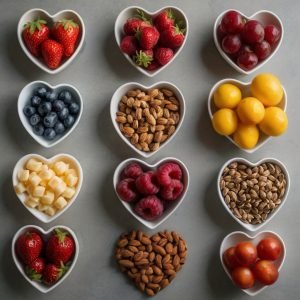
– Oats
– Barley
– Beans and lentils
– Apples
– Citrus fruits
The Miracle of Omega-3 Fatty Acids
Omega-3s are the good fats that do great things for your heart. They will:
– Decrease triglycerides
– Inflammation decreases
– Heart function is better
You get these heart helpers from:
– Fatty fish such as salmon, mackerel, and tuna
– Plant foods such as flaxseeds, chia seeds, and walnuts
By eating a combination of some of these foods, you naturally lower your cholesterol and have a healthier heart.
What to Know About Plant Sterols and Stanols
Plant sterols and stanols are food constituents that occur naturally in certain foods plants make. They were also found to prevent the intestine from absorbing cholesterol and thus reduce your level of LDL or “bad” cholesterol. Some margarine, yogurts, and juices contain added amounts of these substances.
The Benefit of Nuts and Seeds
Seeds and nuts are great sources of heart-friendly nutrients like healthy fats, fiber, and antioxidants. They are great snacks and can be a valuable contribution to the health of your heart, but watch out for too many of them due to their caloric content.
Legumes: Superfoods for Your Heart
Legumes are excellent for your heart since they’re full of protein, fiber, and nutrients. They reduce cholesterol and keep your blood sugar levels in check. All good examples include beans, lentils, and chickpeas.
Creating a Heart-Healthy Diet
In order to keep your heart in prime condition, eat a variety of foods. Below are 25 heart-healthy foods to start with: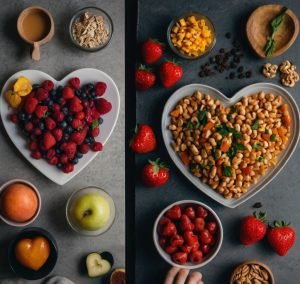
- Fruits and Vegetables: Buy a palate of colors of vitamins, antioxidants, and fiber.
- Whole Grains: Replace whole grains such as brown rice, quinoa, and whole-wheat bread in the place of their processed alternative.
- Lean Protein: Add lean protein such as chicken, turkey, fish, tofu, and tempeh.
- Healthy Oils: Fry with olive oil, avocado oil, and canola oil but in limited amounts.
Please remember, it’s just an introduction. There are numerous more foods that are part of healthy and balanced foods for good health.
Top 10 Healthy Foods for Heart Health
If you are looking for the healthiest top 10 healthy foods for heart health, include the following on your list: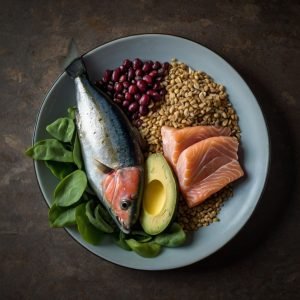
- Fatty Fish (Salmon, Tuna, Mackerel)
- Oats
- Legumes (Beans, Lentils)
- Nuts (Almonds, Walnuts)
- Seeds (Chia Seeds, Flaxseeds)
- Avocado
- Berries
- Dark Leafy Greens
- Whole Grains
- Olive Oil
Eating for Health
A perfect heart diet also takes care of other areas of your body, such as your gut, liver, brain, and kidneys. Listed below are some of the foods to keep these areas in form:
- Gut-Friendly Foods: A good heart is inseparable from a good gut. Add prebiotic foods such as onions and garlic and probiotic foods such as yogurt and kefir to make your gut microbiome smile.
- Normal Liver Healthy Foods for Healthy Living: In order to have normal liver functioning, consume grapefruit, garlic, and green tea. They are meant to facilitate proper liver functioning.
- Normal Kidney Healthy Foods for Healthy Living: For kidney function complications, ensure that you consume what is appropriate as per an order provided by a physician or a nutritionist.
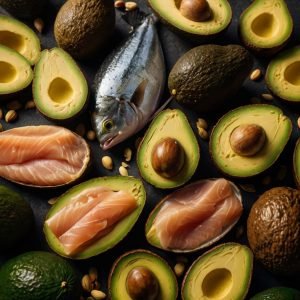
- Brain-Healthy Foods: Brain-friendly, heart-friendly too. Load up on omega-3s, antioxidants, and other brain-fueling nutrients.
- Asian Diet Inspiration: Asian fish, plant-based, and healthy fat diets are heart-healthy as well. Take inspiration from foods in other Asian cuisines.
Easy Steps to a Heart-Healthy Diet
You don’t need to make a radical change.
– Begin Slow: Slowly reduce white grains and add vegetables and fruits to what you eat. Also, add lean proteins.
– Prep Snacks: Preplan healthy snacks so you will not be grabbing junk. Healthy snacks are vegetables, fruits, nuts, and yogurt.
– Shop Smart: You can find healthy foods at the majority of grocery stores, even big-box like Walmart. They have tons of great options that won’t break the bank.
With these tips, you can go about having a healthy diet for your entire body. Just keep things basic and don’t make it such a big deal. Little things can add up to great things for your health.
Creating a Heart-Friendly Diet
Create a weekly meal plan so that there is room for a heart-healthy diet:
- Meal Plan: Take a few minutes each week to plan meals. This will assist you in incorporating a mix of heart-healthy foods.
- Read Food Labels: Look at the nutrition panel and ingredient list on packaged foods to allow you to make an informed decision.
- Portion Control: Monitor the portion so that you will be able to control the amount of calories that you consume in order not to gain weight.
Other Things to Have a Healthy Heart
Apart from healthy nutrition, there are additional things required to have a healthy heart:
- Exercise: Attempt to get at least 150 minutes of moderate-level aerobic body exercise per week.
- Stress Less: Stress is bad news for your heart, so relax with meditation, yoga, or deep breathing.
- Watch Your Weight: A healthy weight might reduce your chance of developing heart disease.
That’s it in a nutshell
Eating well is the best thing you can do for a healthier heart. Add that to a fitness regimen and see how you really cut your risk of heart disease and just feel better, too. For personalized counsel, speak with a cardiologist or a nutritionist who specializes in the heart. They will be able to tell you exactly what they advise in making straightforward changes to get the maximum possible benefits. Keep it simple, and your heart will thank you!

