
Hair Oil:How to Oil Your Hair the Correct Way,Unveiling Its Natural Glaze
Hair oiling is one of the oldest and most effective hair care practices in the world. Far from being just a beauty ritual, it deeply conditions the scalp and strengthens your locks from roots to ends. But are you oiling your hair the correct way? This guide uncovers the traditional art of hair oiling, its benefits, the best oils to use, and the right techniques to achieve naturally glossy hair.
The Ancient Hair Oiling Tradition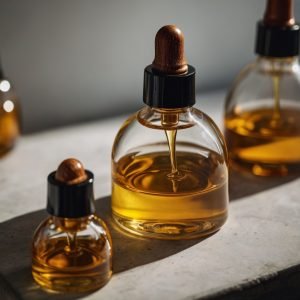
From ancient civilizations to modern self-care routines, hair oiling has remained a timeless beauty practice. It’s a method passed down through generations, valued not only for enhancing shine but also for nourishing the scalp and supporting overall hair health. The key lies in choosing the right oil that matches your hair type and needs.
Understanding Hair Oil Application Methods
There are a few methods of application that lead to varying impacts. Following is a brief overview of some common hair oiling methods:
- Pre-Shampoo Oiling:Applying oil before shampooing creates a protective barrier. It prevents the shampoo from stripping away natural oils—ideal for dry or damaged hair.
- Post-Shampoo Oil: A small amount of lightweight oil after washing adds shine, reduces frizz, and makes hair more manageable without weighing it down.
- Hot Oil Treatment:
 Gently heating the oil before use helps it penetrate the hair shaft more effectively, offering deep conditioning for brittle and rough hair.
 - Scalp Massage:Massaging oil into the scalp boosts blood circulation and nourishes the roots, which can encourage stronger hair growth.
- Application Techniques: Apply oil evenly through the scalp and ends. Avoid overusing it, as excess oil can make the hair look greasy instead of healthy.
The Benefits of Hair Oiling: More Than Shine
Hair oiling is more than a cosmetic step—it’s a complete care treatment for your hair and scalp.
Moisturizing and Hydration:
Oils lock in moisture, protect from dryness, and reduce split ends.
Damage Protection:
They act as a natural shield against pollution, UV rays, and heat styling.
Improved Scalp Health:
Healthy hair begins with a healthy scalp. Oils help maintain balance, reduce dandruff, and improve root strength.
Reduced Hair Fall:
Regular oiling strengthens hair follicles, leading to thicker and fuller hair.
Enhanced Shine and Manageability:
Oiling smooths the hair cuticle, making it soft, glossy, and easier to style.
Top Oils for Hair: The Complete Guide
Every oil offers unique nutrients and advantages. Here’s a quick guide to choosing the right one:
Coconut Oil:
Deeply penetrates the hair shaft, reduces protein loss, and provides intense hydration.
Argan Oil:
Rich in antioxidants and fatty acids, it smooths frizz and adds a silky shine.
Almond Oil:
Lightweight and nourishing, it promotes hair growth and helps maintain scalp moisture.
Avocado Oil:
Loaded with vitamins A, D, and E, it strengthens hair and supports growth.
Bhringraj Oil:
An Ayurvedic favorite known for stimulating hair growth and preventing hair fall.
Biotin Oil:
Strengthens hair, minimizes breakage, and enhances overall volume.
Fenugreek Oil:
Improves scalp health and encourages thicker hair growth.
Rosemary Oil:
Increases scalp circulation and promotes faster hair regrowth.
Black Pepper Oil:
Enhances nutrient absorption and stimulates the scalp.
Flaxseed Oil:
Rich in omega-3 fatty acids, it hydrates hair and maintains healthy growth.
Amla Oil:
Packed with vitamin C, it strengthens roots and prevents premature greying.
Coriander (Dhania) Oil:
Traditionally used to condition the scalp and promote hair density.
Fish Oil (as supplement):
While not applied directly, fish oil capsules boost hair and skin health from within.
The Best Hair Oil For Your Hair Type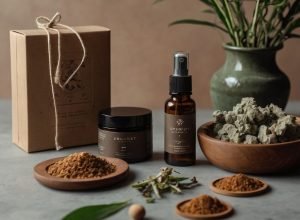
What to use will depend on what your hair particularly needs:
- Dry, Damaged Hair: Coconut, argan, and avocado oils are all great options for their penetration with moisturizing.
- Oily Hair: Jojoba or grapeseed oil won’t weigh oily hair down.
- Fine Hair: Argan and almond oils won’t weigh fine hair down and won’t leave it oily.
- Thick Hair: Coconut and avocado oil will penetrate thick hair well, giving nourishing moisturizing.
Good Hair Oil Brands and Products
There are some good hair oil brands that provide good-quality hair oils. Use natural and unrefined hair oils, and do not apply harsh chemicals. When searching for a good hair care oil, prioritize quality ingredients first. Research good hair oil brands and select the best ones depending on your need and budget.
DIY Hair Oil Blends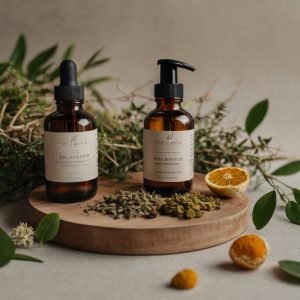
Making your own hair oil blends makes it easy to personalize your hair care routine. Mix and match oils to address particular hair issues. For instance, a combination of coconut, argan, and rosemary oil may improve hair growth as well as give the hair shine.
Demystifying Hair Oiling Myths
Oiling Leads to Hair Loss: This is a myth. Good hair oiling may actually fortify hair as well as minimize hair loss.
More Oil:
Your hair will feel greasy and weighed down with additional oil. Use sparingly.
Hair Growth Oil: Oiling does pay off, even though hair growth is no magic pill. A small army of healthy factors like genetic make-up, diet, and health all add up to healthy hair growth.
Conclusion
Hair oiling is an ancient practice that has many advantages for the beauty and health of your hair. With knowledge about the types of oils, selecting the appropriate oil for your hair, and correct practice, you can release the inner glow of your hair and have the luscious, healthy-looking hair of your dreams. Make hair oiling a part of your lifestyle and be amazed at the magical effects of this ancient practice.

