
Best Foods to Eat During Ramadan 2025: Nourishing Body and Soul
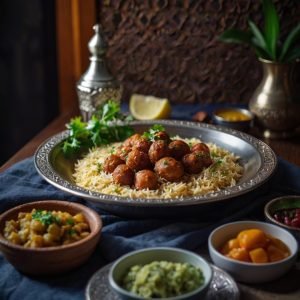
Ramadan is that holy month which is committed to all the Muslims globally. That time is used as a season of spiritual reflection, praying, and abstaining from food and beverage intake during daylight hours. With millions of people witnessing such a holy moment in 2025, understanding the best foods to eat during Ramadan 2025 . They are complete summaries that tell you what to eat during Ramadan so that your body and your soul can be nourished.
The Role of Food During Ramadan
Ramadan is not just fasting from food and water; it’s being mindful of your intake outside of fasting as well. The body processes food and water very differently while fasting, so replenishing nutrients judiciously is key. Hours of fasting can dehydrate as well as spiritually drain you, leading to lethargy. Proper strategic food intake then becomes critical to sustain energy as well as maintain health for the month.
Learning Your Nutritional Needs
Fasting triggers energy metabolism alterations due to the breakdown of stored fat and glucose as energy by the body. Refueling foods consumed during Suhoor (dinner meal) and Iftar (breakfast meal) are required. Fluid balance has to be ensured since dehydration results in headache, dizziness, and weakness. Continuous fluid replacement between Iftar and Suhoor has to be ensured. Balanced macronutrient intake—protein, carbohydrates, and healthy fats—has to be ensured for energy sustenance, muscle function, and body function.
Best Foods to Eat for Suhoor: What to Eat to Stay Energized All Day

Suhoor must be energy-releasing and long-lasting so that you can resist the fasting hour. Eat complex carbohydrates such as oats, whole-wheat bread, and sweet potatoes. They are digested very slowly so that you don’t experience any energy lulls. Protein rich foods such as lean meat, eggs, and Greek yogurt will satisfy you without leading to loss of muscle mass. Pair them with water hydrating foods and beverages such as watermelon, cucumbers, and tea to avoid dehydration. Fiber rich foods such as vegetables, fruits, and whole grain helps ease digestion and against constipation.
Iftar Food of Choice: Intelligent Breaking of the Fast
A healthy habit but an ancient one is fasting break using dates. Dates give the body a quick supply of energy and pack basic nutrients. Start your Iftar dinner with soups and broths such as lentil soup or vegetable broth to rehydrate and supply vitamins and minerals. Lean protein foods such as chicken, fish, or legumes are next to rebuild amino acids and repair muscle tissue. Include sources of healthy fats such as avocados, nuts, and olive oil to assist with satiety and nutrient digestion. There are many various fruits and vegetables needed to supply the body with vitamins, minerals, and fiber for digestion.
Foods to Avoid During Ramadan 2025
To stay at the peak of your health, do not eat salted, sugary, and unhealthy fats food. These will cause energy crashes and dehydrate you. Sweets and sweet beverages should be avoided since they cause blood glucose spikes and crashes. Consume less caffeine since it causes insomnia and dehydration. Do not eat fried foods since it will cause gut problems and pain.
Meal Planning and Preparing Meals during Ramadan 2025

Balanced eating is ensured with efficient planning. Prepare efficient Suhoor and Iftar food that includes all the food groups. Avoid dehydration with balancing fluid intake between Suhoor and Iftar. Efficient planning must ensure efficient time management; prepare the food efficiently with batch cooking and meal planning in advance. Snack lightly during Iftar but do not overeat or feel indigestion.
Addressing Specific Dietary Requirements
The diabetic patient must control blood glucose through consumption of low-glycemic index foods and a consultation with a medical doctor. Pregnant and lactating women require more nutrients and must consult a doctor. The elderly require control of protein and calcium intake to ensure strong muscles and bone density.
Excessive Weight Reduction Strategies
Maximize fluid intake during the intervals between fasting. Drink water at consistent intervals between Iftar and Suhoor. Make hydral fluids like vegetables and fruits a part of your diet. Coconut water and herbal teas make excellent substitutes for the replacement of electrolytes.
Spiritual and Physical Benefits
Healthy Ramadan is just as much a concern of the spiritual self as the physical health. You can increase energy, remain alert during prayer, and maximize the reward of this holy month by good fluidity of the body through proper food.
Healthy Ramadan Tips
- Start with Dates: Start your day with dates to replenish your energies.
- Always Stay Hydrated: Drink water in between Suhoor and Iftar.
- Eat Balanced Meals: Incorporate complex carbohydrates, proteins, and healthy fats.
- Restrict Processed Foods: Don’t consume high salt, high sugar, and high fat foods.
- Exercise Portion Control: Don’t overeat during Iftar.
- Get Proper Rest: Sleep properly to maintain your energy levels.
- Stay Active: Incorporate light exercises to boost your energy.
- Seek Professional Advice: Seek advice from a healthcare professional for your individual diet needs.
- Mindful Eating: Listen and eat slowly.
- Spiritual Reflection: Blend spiritual practice with good food for a rewarding Ramadan.
Conclusion
By following the habit of balanced eating and right drinking, you can have a healthy and satisfactory Ramadan 2025. Make sure you consume whole and processed food, beverages, and eat in moderation. Combine these habits with religious thought and prayer so that you can get the blessings of this sacred month. Have a healthy, peaceful, and satisfactory Ramadan spiritually.

