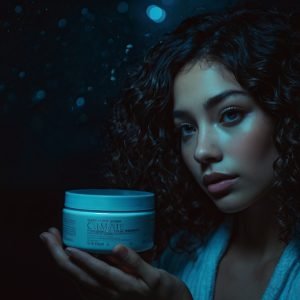
Healthy, shiny hair is the epitome of confidence and health. But achieving those shining strands takes more than a one-night splashing in the shower and rushing out the door. In the next article, we reveal 10 secrets to hair care to guideyou toward a routine that gives you strong, healthy locks.
I. Wholesome Wash: How to Wash Your Hair Like a Pro
The key to healthy hair starts with wash time. Choosing the right shampoo and conditioner based on your hair type is important. For oily, dry, or colored hair, sulfate- and paraben-free shampoos and conditioners must be used. Washing frequency varies; washing every 2-3 days is sufficient to wash out dirt and excess oil without stripping the natural moisture of your hair. When. In washing, gently massaging your scalp with the tips of your fingers to stimulate blood flow but not scrub is advised.Complete rinsing out of all traces of products with lukewarm water is advised since hot water dries the hair.
II. Hydration and Conditioning: Moisturizing Your Hair from Within
Hydration keeps hair from being dry, brittle, and frizzy. Deep conditioning treatments must be part of your routine at least once every week. Apply the conditioner from mid-lengths to ends and leave to set for the recommended time before washing out. Leave-in conditioners and hair oils are useful for locking moisture in and imparting shine to the hair, especially on damaged or dry hair.Natural hair masks featuring avocado, honey, or coconut oil can provide a concentrated dose of moisture and nutrients to the hair.
III. Diet and Nutrition: Fueling Hair Growth from the Inside Out
Your diet plays a significant role in hair health. A balanced diet rich in vitamins and minerals is needed to sustain healthy, strong hair growth.Some nutrients that are needed include omega-3 fatty acids, iron, zinc, biotin, and protein. Consume hair-healthy foods like leafy greens, fish, nuts, and seeds.Drinking plenty of water also maintains hair overall health.
IV. Heat Styling and Protection: Damage Protection and Max Shine
Heat styling tools will do a great deal of damage to your hair, making it dry, breaking, and creating split ends. Always precede heat styling tool use with a heat protectant spray or serum. Restrict heat exposure and air-dry whenever possible. When applying heat, use appropriate heat levels and tools based on your hair type. Lower heat levels are safer, and ceramic or tourmaline tools tend to emit heat more evenly.
V. Hair Brushing and Detangling: Soothing Methods for Luminous Locks
Proper choice of comb or brush is essential to prevent damage and breakage. Wet hair is handled by a wide-tooth comb, while dry hair is enhanced by boar bristle brush as far as oil distribution and luster are concerned. Detangle gradually from end to root. Overbrushing leads to breakage. Add scalp massage when brushing for better blood supply and hair growth stimulation.
VI. Hair Masks and Treatments: Therapeutic Solutions to Specific Problems
Treat hair problems with special treatments and masks. Protein treatment repairs damaged hair, and clarifying treatment removes product buildup and impurities. Avocado, honey, and coconut oil are used for homemade hair masks that provide intense hydration and nourishment. Recognize signs of hair damage, such as split ends, dryness, and breakage, and repair them early on with the proper treatments.
VII. Hair Protection from Environmental Elements: How to Protect Your Locks
Protect your hair from environmental attack by protecting it from the sun, chlorine, and pollution. Protect your hair with a scarf or hat for protection from the UV rays, and wear hair products containing UV protection. Rinse your hair with water after chlorinated or sea bathing, and condition your hair with a leave-in conditioner to prevent dryness. Reduce contact with pollution and harsh weather conditions through protection styles, i.e., buns or braids.
VIII. Trims and Haircuts on a Regular Basis: Healthy Ends
Trims on a regular basis are needed to keep the ends healthy and stop split ends from migrating up the hair shaft, leading to more damage. Trimming frequency is determined by your hair type and growth rate. In general, trimming every 6-8 weeks is advisable. Select an experienced hairstylist who knows your hair objectives and can offer tailored advice.
IX. Stress Reduction and Lifestyle: Encouraging Overall Hair Well-being
Stress causes thinning and loss of hair. Incorporate stress-reduction techniques, such as meditation, yoga, or controlled breathing, into your daily life. Sleep also contributes to hair regrowth and maintenance. Enjoy 7-9 hours of good quality sleep each night. Avoid excessive chemical treatments and tight hairstyles, as they compromise and damage your hair.
X. Conclusion
For healthy and shiny hair, a daily and customized hair care routine is essential. With these 10 tips in your life, you can create a foundation for healthy, glowing hair. Do not rush, as time is needed to see significant changes. Love your natural hair texture and love your own beauty. Proper care and attention will provide you with healthy, shiny hair for the rest of your life.