
Home workouts vs. gym workouts: What’s Best for You?
The world of fitness has a lot to offer, and home workouts and gym memberships are two of the most favored. But which one is better? In this article, we take a closer look at the advantages and disadvantages of each so you can make the best choice for your lifestyle and fitness level.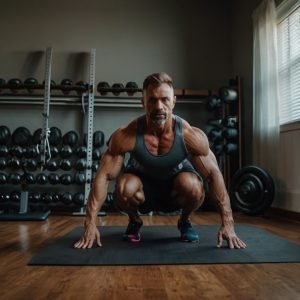
Home Workouts: Cost-Effectiveness and Convenience
Home workouts offer unparalleled convenience and time efficiency. No more driving to the gym; you can fit workouts into your schedule. This is a major benefit for busy individuals. Home workouts are also cheaper. You can avoid gym membership fees and begin with low equipment costs, utilizing bodyweight exercises or materials readily available at home.
The privacy and comfort of home is another major benefit. You don’t need to feel embarrassed or intimidated when you exercise at home. Home workouts are convenient and tailored. Routines can be modified according to needs, desired results, and available room space. Home workouts come with disadvantages too. They are restricted when it comes to equipment and exercises that can be done, and lack of professional guidance, it is possible to do things incorrectly or get injured. Distraction and interference are also more common at home.
Gym Exercises: Equipment and Expert Guidance
Gym membership offers access to diverse equipment, ranging from specialty machines to free weights, which you can use to isolate individual muscle groups and increase your options for exercise. Expert instruction and encouragement by qualified trainers and group fitness classes are worth the cost for beginners and those seeking personalized programs. Social encouragement and motivation from group exercise can boost your commitment and accountability.
Gyms provide a structured setting and concentration, reducing distractions and increasing exercise intensity. Yet, membership costs and travel time are discouraging. Crowded gyms and equipment availability can be irritating, and social anxiety or embarrassment can be felt by some.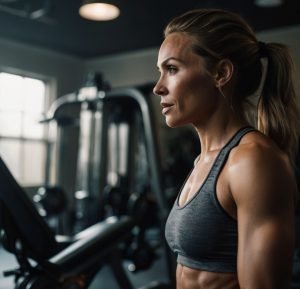
Equipment and Resources to Consider
For home training, the minimum would be dumbbells, resistance bands, and yoga mats. Treadmills and stationary bicycles can be added to meet more advanced requirements. The gym provides several different cardiovascular and strength training machines, free weights, and specialized devices. Online resources and workout apps support both home and gym training with videos of workouts, fitness monitoring, and virtual instructors.
Fitness Goals and Individual Needs
For cardiovascular and weight loss, both home and gym training are suitable. Both can be utilized, but home workouts will be as effective with HIIT and bodyweight training. For strength and muscle gain, there are more free weights and resistance machines at gyms, but sets and reps can produce progress. For flexibility and mobility, Pilates and yoga can be done at home, but gym studios can be provided.
Finally, your lifestyle and preferences will dictate the ideal solution. Consider your time requirements, budget, and motivation.
Hybrid Methods and Versatility
A combination routine of home and gym training can reap the advantages of both. Gym workouts can be reserved for heavy-duty training, and home workouts can be used as a handy backup. Weather also is the deciding criterion, where doing home outdoor exercise in good weather is the optimal choice, but when weather does not cooperate, one moves towards a gym. The ability to adapt to situational whims is imperative in maintaining regularity.
Safety and Prevention of Injury
Home exercise safety is a matter of appropriate space and appropriate technique, usually the guidance of online materials. Gym workout safety is a matter of equipment use in the appropriate way and seeking direction from trainers.Both settings need to have a warm-up and cool-down so as to avoid injuries.
Motivation and Accountability
Home workout interest can be enhanced through achievable targets and a dedicated workout area. Gym workout interest is enhanced through group instruction and personal training. Discipline and regularity are the keys to both.
Special Considerations for Specific Groups
Beginners can utilize the facilities provided by gyms. Disabled people must consider the accessibility of both settings. Pregnant women must consider safety and consult expert advice.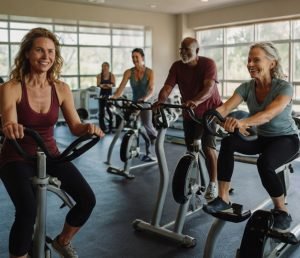
Conclusion
Choosing whether you should exercise at home or the gym is a matter of needs and personal preferences. Home exercising is inexpensive and convenient, but a gym opens up access to various equipment and even expert instruction. Be persistent and safe, and choose an exercise routine that you like and can stick with in the long term. The best exercise is the one you’re doing.

