
The Basics of a Balanced Diet: What Your Body Needs Daily
A balanced diet is not just a catchphrase; it is the key to optimal health and wellness. Eating food is not enough; your body needs proper nutrition to function well. This article explains the essentials of a healthy balanced diet, its components, benefits, and practical applications.

Socialite Nutritionist Reveals How to Boost Your Energy Level With a Balanced Diet
Your body requires a balanced diet and its key components for proper function. These nutrients fall into two categories: macronutrients and micronutrients. Macronutrients, including carbohydrates, proteins, and fats, provide calories. Carbohydrates serve as the primary source of energy, ideally in complex forms like whole grains and greens. Proteins act as building blocks for tissue repair and growth. Healthy fats, such as those in nuts and avocado, support hormone activity and maintain cell structure.
Micronutrients, including vitamins and minerals, regulate body functions. Vitamin D and Vitamin C strengthen immunity and bones, while minerals like calcium and iron support strong bones and oxygen transport. Water, often neglected, keeps the body hydrated, and fiber promotes smooth digestion.
Changing a Balanced Diet to Various Needs
A balanced diet changes based on individual requirements. For young students, a simple explanation of food groups and portions is sufficient. Vegetarians need careful planning to ensure adequate protein and iron intake. For weight-watchers, a planned diet focuses on calorie control and nutrient-dense foods. Breakfast should provide steady morning energy. Although everyone wants the “best” balanced diet, this is subjective, and consulting a nutritionist can provide personalized guidance.
The Multiple Advantages of Balanced Diet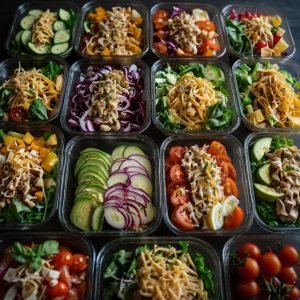
The benefits of a balanced diet are extensive. First, it increases energy levels and improves performance. Second, it strengthens the immune system, lowering disease risk. Third, it helps maintain a healthy weight. Fourth, it boosts brain function. Fifth, it supports healthy bones and teeth. Sixth, it enhances hair, nails, and skin. Seventh, it reduces the risk of chronic diseases. Eighth, it promotes gut health. Ninth, it may extend lifespan. Finally, it improves mood and emotional wellbeing.
A healthy diet emphasizes nutrient-dense whole foods while limiting processed foods. The positive effects extend beyond physical health to mental health, as research shows a strong connection between brain function and gut health.
Including a Balanced Diet in Your Lifestyle
Balancing the diet is not something that can be achieved overnight but is a lifestyle and a time-consuming process. Coupled with diet and exercise, it is optimized for gain such as muscle gain and general well-being. Nutrition and healthy diet are synonymous and encompass such things as learning how to read food labels and meal planning. Part of a balanced diet activity such as food record or cooking demonstration may be a healthy and rewarding experience. Learning for learning’s sake can be made available through a PDF version of the assignment on balanced diet as superior resources. A correct notion about the balanced diet and its ingredients allows food to be consumed in a healthier way. The balanced diet application can work as efficiently as the checkup officer for nutrient consumption and improvement.
Practical Tips for a Balanced Diet
Healthy eating begins with mindful eating. Begin by adding a mix of vegetables and fruits in your daily food. Choose whole grains over refined grains. Choose lean proteins and healthy fats. Drink lots of water to remain hydrated. Limit processed foods, sweet drinks, and unsaturated fats. Monitor portion amounts and practice moderation. Pre Plan meals to avoid sudden food choices. Consider using a balanced diet app to track your activity and make decisions based on facts.
Conclusion
With a sense of knowledge of what constitutes an ideal diet and adopting sound eating habits in your routine, you can benefit from the multiple advantages of an ideal diet. Just recall that everything matters in tiny, minuscule things and changes, and the way it works wonders to overall wellness is unimaginably colossal. Eat whole, unprocessed foods, hydrate with water, and consume the correct foods. A balanced diet means you’re investing in a healthier, happier you.

