
Thrive at Every Age Benefits of Active Senior Programs
Aging is a part of life, but getting old doesn’t necessarily mean losing one’s active and healthy way of living. Healthy aging and geriatric fitness are just as important as ever when we are aging.This article is a summary of the numerous advantages of good health and includes a complete guide to fitness in the elderly as well as exercise recommendations, dietary information, and some general advice on remaining well.
The Power of Senior Fitness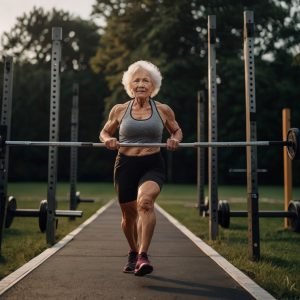
The older one becomes, the more it becomes important to be healthy and independent. Physical activity on a regular basis contributes significantly to the physical health of older adults, such as enhanced physical functioning, a lower risk of developing chronic diseases such as heart disease, diabetes, and osteoporosis, enhanced cognitive functioning, and enhanced social activity. Physical activity is an investment in your health and enables you to keep on doing the things that you enjoy and have the best of your golden years. Fitness at an older age is all about discovering the methods of activity that suit you and are safe and enjoyable for you at any age or level of fitness.
Physical Activity Guidelines for Older Adults
A master plan for older adult fitness is needed. A program should have:
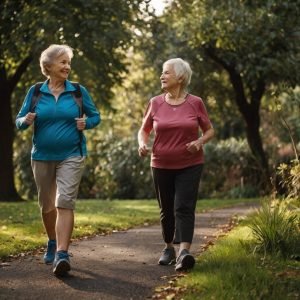
- Aerobic Exercise: Swimming, cycling, dancing, or brisk walking encourages cardiovascular fitness and endurance. At least 150 minutes of moderate-intensity aerobic physical activity per week.
- Strength Training: Strength training helps maintain muscle strength and bone strength, both of which are reduced with age. Exercise two to three times a week, major muscle groups with body-weight exercises, resistance bands, or light weights.
- Balance Exercises: Balance exercises such as Tai Chi or yoga are the solution for not falling down, which is what happens to most of the elderly.
- Flexibility Exercises: Stretching and flexibility exercises promote range of motion and discourage stiffness. Incorporate stretching into your warm-up and cool-down.
Get medical clearance before beginning any new exercise program. Your doctor can assist you in determining your individual needs and suggesting activities for you. Begin slowly and progress gradually to increased intensity and duration as strength improves. Listen to your body and rest when necessary.
Senior Diet: Body Nutrition
There also arises a requirement of a balanced meal, according to the physical exercise requirement, for the elderly too. With time, nutritional demands also change, thus highlighting the demand for an elderly balanced meal with all the essential nutrients in order to stay healthy.
Dense Foods: Choose fruits and vegetables of every color, whole grains, low-fat milk foods, and lean protein foods (fish, poultry, legumes).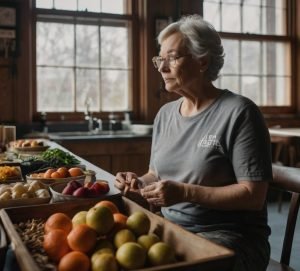
Hydration: The older individual should be properly hydrated since the sensation of thirst diminishes with age. Drink water during the day.
Mental and Social Well-being: Caring for Your Mind and Relationships
Old age fitness is not merely physical but mental and social well-being.
Cognitive Health: Exercise may sharpen your thinking and lower the chance for dementia.Play a puzzle, read a book, or learn a new language.
Social Engagement: Social interaction is intellectually and emotionally stimulating. Participate in senior centers, volunteer activities, group fitness, or socializing with family and friends.
Safety Considerations for Senior Fitness: Putting Your Health First
Safety is of the highest concern in the case of older adult fitness.
- Prevention of Falls: Falls present a serious hazard to older adults. Prevent falls in the home setting by eliminating hazards that create tripping, installing grab bars, and ensuring adequate lighting.
- Exercise Adjustments: Make adjustments to exercises as necessary to fit any physical disabilities or medical illnesses.
- Listen to Your Body: Stop immediately any exercise that is painful or uncomfortable.
- Finding Your Fit: Senior Resources and Programs
Senior fitness receives specialized programs and materials.
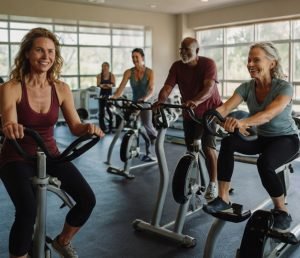
- Senior and Community Centers: Senior health and community centers generally have exercise groups, fitness classes, and other activities specifically tailored for older adults.
- Online Programs and Resources: A number of sites on the World Wide Web offer fitness tips, exercise tapes, and cyber classes for older adults.
- Fitness Professionals: Hire a certified personal trainer who is a senior fitness specialist.
Making Fitness Your Daily Habit: Habiting it
Exercise is your daily routine, and that is how you are able to get the fun of enjoying it.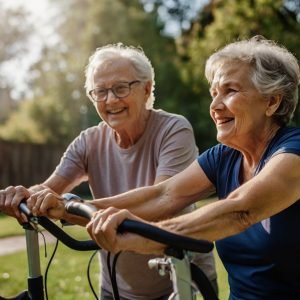
- Make Exercise a Habit: Plan your exercise session as you would plan any other significant appointment and stick to it as much as you can.
- Find Activities That You Enjoy: Do something you like in order to gain maximum benefit of your compliance and motivation.
- A Balanced Approach to Older Adults’ Well-being: Understanding Well-being.Well-being health includes physical, mental, and social well-being. Do the following:
For Health and Fitness: Declare your health and fitness to be well in old age.
Be Health and Fitness: Be well and fit in old age.
- Heal Fitness: Apply exercise as healing and recovery from sickness or injury.
- Fitness & More: Remember that fitness is more than exercise, but also healthy eating, social living, and good mental health.
- It’s Fitness/Jus Fitness: Enjoy being fit and cherish fitness.
Conclusion
Senior fitness is the secret to healthy aging. With becoming active, exercising on a healthy diet for older adults, and staying mentally and socially well, you can have fun in your golden years. Be sure to talk with your health care provider about your health before beginning any new exercise program and find activities that make you happy. It is never too early to take care of your health and your well-being and live a rich, full life.

